

 English
  русский
  Español
  عربى
عربى  中文简体
中文简体
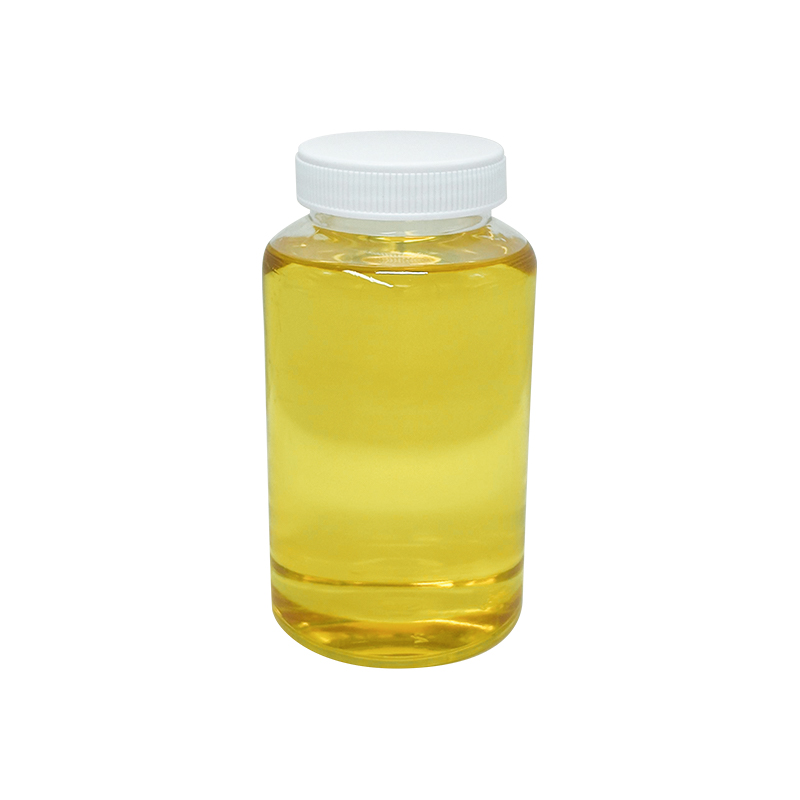
As a full-industry-chain service provider in the lubricants sector, Leanon Petroleum Technology Co., Ltd. China American Standard Mid-to-High-End Gasoline Engine Oil Manufacturer and Wholesale American Standard Mid-to-High-End Gasoline Engine Oil Company, we have established a comprehensive industrial ecosystem spanning international base oil trade, innovative lubricant formulation R&D, intelligent automated blending production, fully automated filling & packaging, professional packaging container design & manufacturing, to marketing promotion. As a full-industry-chain service provider in the lubricants sector, Leanon Petroleum Technology Co., Ltd. has established a comprehensive industrial ecosystem spanning international base oil trade, innovative lubricant formulation R&D, intelligent automated blending production, fully automated filling & packaging, professional packaging container design & manufacturing, to marketing promotion.

 Wholesale American Standard Mid-to-High-End Gasoline Engine Oil
American Standard Mid-to-High-End Gasoline Engine Oil Manufacturer

.jpg)


American Standard Mid-to-High-End Gasoline Engine Oil Enhances Engine Protection and Efficiency
American Standard mid-to-high-end gasoline engine oil is designed to meet stricter performance requirements for modern engines, particularly those with high compression ratios, turbocharging, and advanced emission control systems. It delivers enhanced thermal stability, oxidation resistance, and wear control, allowing engines to operate efficiently under varying load and temperature conditions.
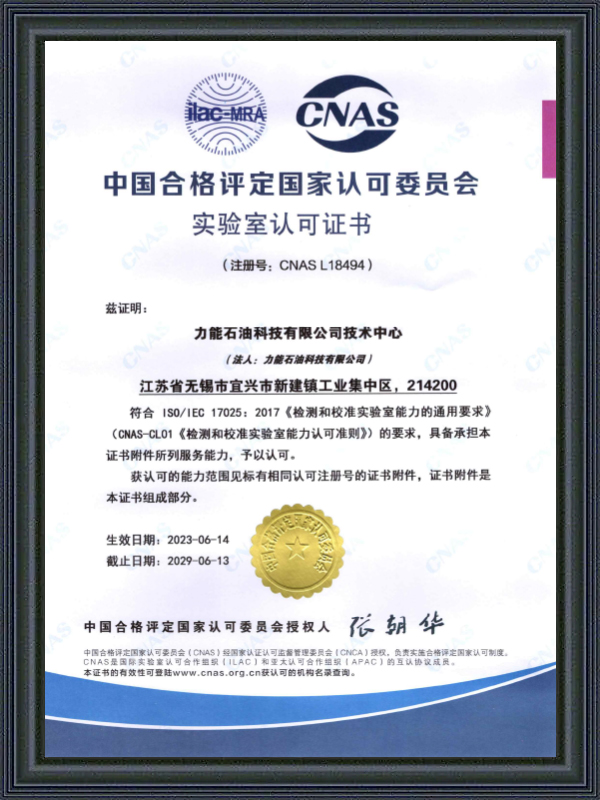
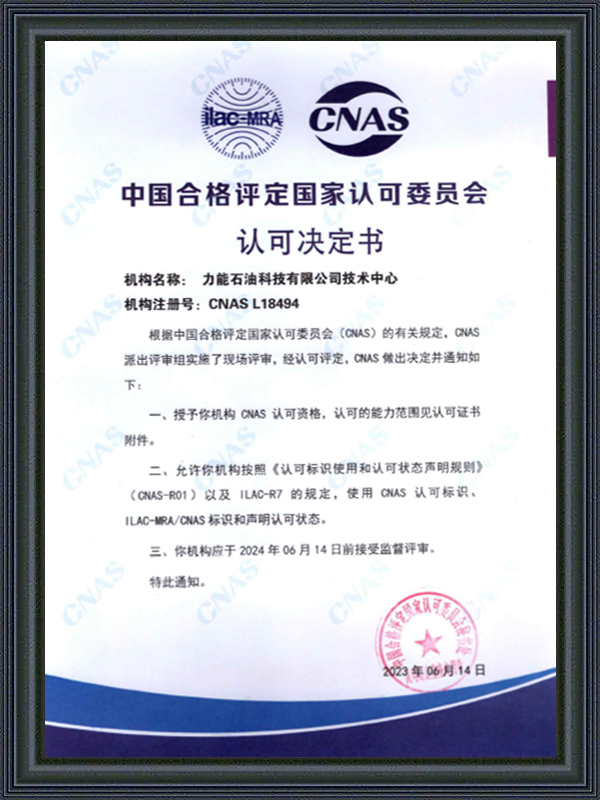
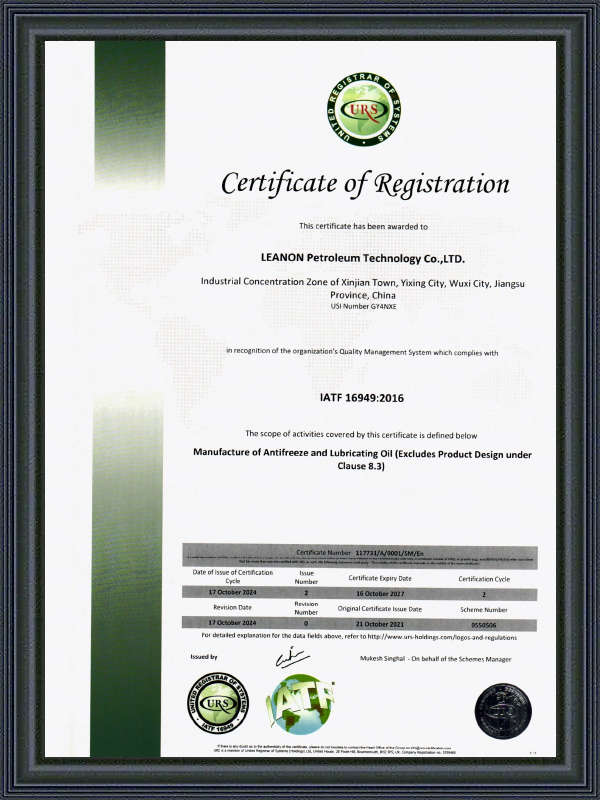
LEANON Petroleum Technology Co., Ltd. develops and manufactures gasoline engine oil products based on these performance standards, supported by extensive R and D capabilities and a modern production facility with an annual capacity of 150000 tons. Its integrated system for formulation development, testing, and quality assurance helps ensure the stability and consistency required for mid-to-high-end engine oil products aligned with American performance specifications.
Key Ways This Engine Oil Enhances Protection and Efficiency
1. Improved Lubrication Film Strength
Mid-to-high-end formulations maintain a stable oil film at high temperatures, reducing direct metal-to-metal contact. This helps minimize wear on critical engine components such as piston rings, bearings, and camshafts.
2. Enhanced Oxidation and Thermal Resistance
Oxidation inhibitors and high stability base oils reduce viscosity breakdown and sludge formation. This maintains oil flow performance during extended high temperature operation, supporting long service life.
3. Compatibility with Turbocharged and GDI Engines
Modern formulations address issues common in turbocharged and gasoline direct injection engines, such as low speed pre ignition. This reduces abnormal combustion events and protects pistons and connecting rods during high torque demand.
4. Effective Detergency and Cleanliness Control
Detergent and dispersant additives help control deposits formed in combustion chambers, on valves, and along oil passages. Clean engine surfaces support better fuel atomization and combustion efficiency.
5. Reduced Friction for Fuel Efficiency
Friction modifiers help lower internal engine drag, improving mechanical efficiency and contributing to reduced fuel consumption under both urban driving and highway conditions.
6. Emission System Compatibility
Formulations compliant with American performance standards optimize sulfated ash, phosphorus, and sulfur levels, protecting catalytic converters and ensuring stable exhaust aftertreatment performance.
Typical Technical Parameters Example Table
| Parameter | Typical Range | Description |
|---|---|---|
| Kinematic Viscosity at 100C mm2/s | 8.5 to 14.0 | Indicates high temperature flow characteristics |
| Viscosity Index | 150 to 170 | Reflects viscosity stability across temperature changes |
| Pour Point C | -39 to -45 | Represents low temperature fluidity |
| Flash Point C | 220 to 235 | Shows thermal stability and volatility resistance |
| CCS Viscosity mPa s | Meets SAE limits | Ensures cold start performance |
| Noack Volatility % | Less than or equal to 13 | Indicates evaporation resistance |
| TBN mg KOH per g | 6 to 8 | Provides acid neutralization capacity |
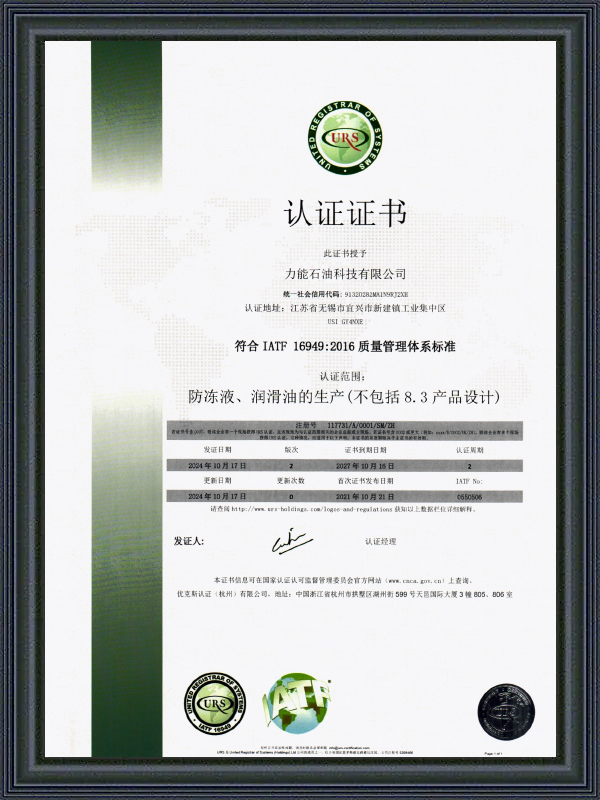
By combining stable base oils with advanced additive technology, American Standard Mid-to-High-End Gasoline Engine Oil provides reliable wear protection, thermal resistance, and improved combustion cleanliness. A modern production base and certified quality management systems support the development of lubricant products that align with industry requirements for protection, performance, and long term engine efficiency.



Contact
 [email protected]
 + 86 - 4006663580
 Industrial Concentration Zone, Xinjian Town, Yixing City, Wuxi City, Jiangsu Province, China
