

 English
  русский
  Español
  عربى
عربى  中文简体
中文简体

 Industry News
Industrial Gearbox Oil: Grades, Types & Maintenance Guide
200+ proven lubricant solutions delivered
Content
- 1 What Is Industrial Gearbox Oil
- 2 How Gearbox Oil Protects Gear Systems
- 3 Gear Oil Types, Applications, and Benefits
- 4 Viscosity Grades and Key Specifications
- 5 Mineral vs. Synthetic Gearbox Oil
- 6 Lubrication Strategies for Different Size Gearboxes
- 7 Gearbox Essentials: Selecting the Right Gear Oil
- 8 Does Gearbox Oil Degrade Over Time
- 9 Common Mistakes and Overlooked Considerations
- 10 Conclusion
- 11 Frequently Asked Questions
Quick Answer
Industrial Gearbox Oil is a lubricant formulated to reduce friction and wear between meshing gear teeth and bearings inside enclosed gear drives. It is selected primarily by ISO viscosity grade, base oil type, and additive package to match the load, speed, and operating temperature of the specific gearbox.
What Is Industrial Gearbox Oil
Industrial gearbox oil is a lubricant designed specifically for enclosed gear drives, where it performs several functions at once: separating metal surfaces under load, carrying heat away from the mesh point, and preventing corrosion inside the housing. Unlike general-purpose machine oil, gearbox oil is formulated with additive packages that address the sliding and rolling contact found in gear teeth and bearings under sustained pressure.
The oil sits in the gearbox housing and is circulated either by gear rotation splashing it across internal components, or by a forced circulation system in larger units. Its performance depends on maintaining the correct film thickness between contacting surfaces across the full range of operating temperatures the gearbox experiences.
How Gearbox Oil Protects Gear Systems
Three mechanisms account for most of the protective function gearbox oil provides. First, hydrodynamic and boundary lubrication form a film between gear teeth that separates metal surfaces during meshing, reducing direct metal-to-metal contact. Second, extreme pressure (EP) additives react chemically with the metal surface under high load to form a sacrificial layer that prevents welding and scoring at points of highest contact pressure. Third, the oil acts as a heat transfer medium, absorbing frictional heat generated at the gear mesh and moving it toward the housing walls or an external cooling system.
Oxidation inhibitors, anti-foam agents, and rust or corrosion inhibitors round out a typical formulation, each addressing a specific failure mode that can otherwise shorten gearbox service life.
Gear Oil Types, Applications, and Benefits
Gearbox oil is generally grouped by base oil type, each with characteristics suited to different operating conditions.
Mineral Gear Oil
Refined from crude petroleum, this is the most widely used base oil type for standard-duty gearboxes operating within moderate temperature ranges. It offers a balance of cost and performance for general industrial applications.
Synthetic Gear Oil
Chemically engineered base stocks provide greater thermal stability and a wider operating temperature range, making synthetic oil suited to heavily loaded or continuously running gearboxes.
Semi-Synthetic Gear Oil
A blend of mineral and synthetic base stocks that offers improved performance over pure mineral oil at a lower cost than fully synthetic formulations.
Compounded Gear Oil
Mineral oil blended with fatty additives, commonly used in worm gear drives where sliding contact requires additional lubricity beyond standard EP additives.
Viscosity Grades and Key Specifications
Gearbox oil is classified primarily by ISO viscosity grade (ISO VG), which indicates the oil's viscosity at 40 degrees Celsius. Selecting the correct grade is one of the most important decisions in gearbox lubrication, since an oil that is too thin fails to maintain an adequate film, while an oil that is too thick increases churning losses and can restrict flow in cold conditions.
| ISO VG Grade | Viscosity Range (cSt at 40°C) | Typical Application |
|---|---|---|
| ISO VG 68 | 61.2 to 74.8 | Light-duty helical and spur gear units |
| ISO VG 100 | 90.0 to 110 | General-purpose enclosed gear drives |
| ISO VG 150 | 135 to 165 | Medium-duty helical and bevel gear units |
| ISO VG 220 | 198 to 242 | Standard industrial gear reducers under moderate load |
| ISO VG 320 | 288 to 352 | Heavily loaded gear drives and worm gear reducers |
| ISO VG 460 | 414 to 506 | Slow-speed, high-load gear systems |
| ISO VG 680 | 612 to 748 | Heavy industrial equipment operating at low speed and high torque |
Beyond viscosity grade, other specifications worth reviewing include the viscosity index, which indicates how much viscosity changes with temperature, pour point, which sets the lowest temperature at which the oil remains fluid, and the additive package rating, which determines how well the oil handles extreme pressure conditions.
Mineral vs. Synthetic Gearbox Oil
Choosing between mineral and synthetic Industrial Gearbox Oil depends on operating temperature range, load severity, and the interval between oil changes that is practical for the equipment.
| Factor | Mineral Gearbox Oil | Synthetic Gearbox Oil |
|---|---|---|
| Temperature range | Moderate range, narrower stability at extremes | Wider stable range across low and high temperatures |
| Oxidation resistance | Standard resistance, shorter service intervals | Higher resistance, generally longer service intervals |
| Cost per liter | Lower initial cost | Higher initial cost, often offset by longer change intervals |
| Best suited for | Standard-duty gearboxes with moderate load and temperature | Heavily loaded or continuously operating gearboxes |
| Compatibility notes | Compatible with most seal materials | Seal compatibility should be verified before switching from mineral oil |
Lubrication Strategies for Different Size Gearboxes
Small gearboxes with limited oil sump capacity are more sensitive to contamination and oxidation, since a smaller oil volume degrades faster under the same operating conditions than a larger sump. These units often benefit from shorter oil change intervals or a switch to synthetic oil to extend service life without increasing change frequency.
Large industrial gearboxes, such as those used in heavy conveyor drives or mixing equipment, typically use forced circulation lubrication systems with external filtration and cooling. These systems allow closer monitoring of oil condition through in-line sensors and scheduled sampling, which can extend the interval between full oil changes when supported by regular condition monitoring.
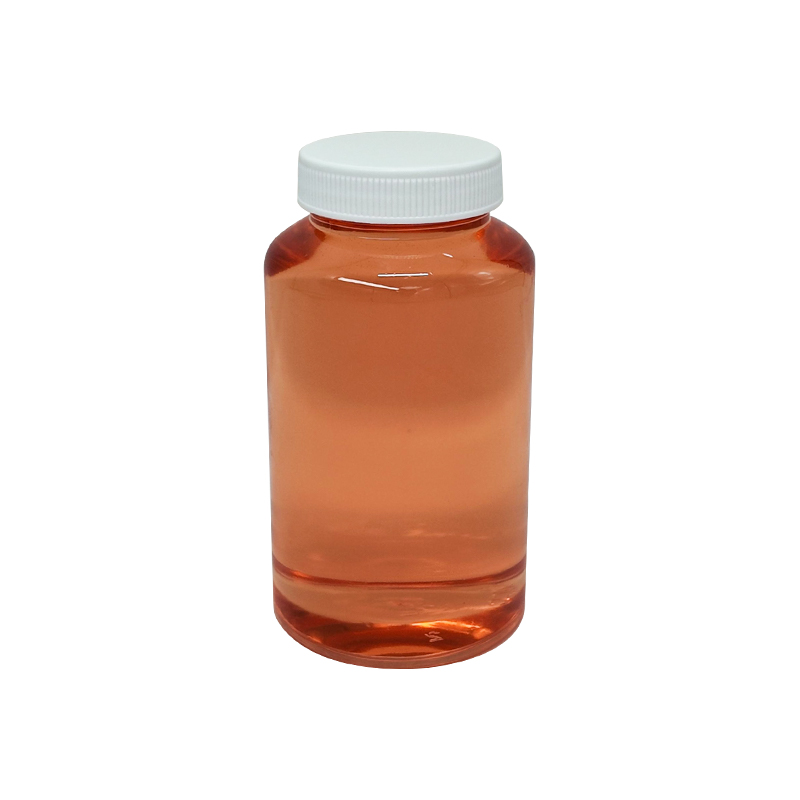
Gearbox Essentials: Selecting the Right Gear Oil
Selection should begin with the gearbox manufacturer's specified viscosity grade and additive requirements, since these are set based on the internal gear geometry and bearing design. From there, operating conditions refine the choice.
- Load severityHeavily loaded gears generally require a higher viscosity grade or a stronger EP additive package.
- Ambient temperatureCold climates favor oil with a lower pour point and stable low-temperature viscosity.
- Operating speedHigh-speed gear units often require lower viscosity oil to reduce churning losses.
- Gear typeWorm gear drives typically require compounded oil for the sliding contact involved, unlike helical or bevel gear units.
- Duty cycleContinuous-duty equipment benefits from synthetic oil with greater thermal and oxidation stability.
- Seal materialOil chemistry should be checked against seal compatibility to avoid premature seal degradation.
Does Gearbox Oil Degrade Over Time
Gearbox oil degrades gradually through oxidation, thermal breakdown, and contamination from moisture or particulate ingress. As oil oxidizes, it can form sludge and varnish deposits, lose viscosity stability, and allow additive depletion that reduces its ability to protect gear surfaces under load. This is why fixed calendar-based oil changes are often supplemented, or replaced, by condition-based monitoring using periodic oil analysis.
This differs somewhat from the common advice around not changing older automotive transmission fluid, where the concern in some cases relates to disturbing accumulated deposits in aging seals rather than the oil's own condition. Industrial gearboxes are generally maintained on a scheduled basis specifically because oil degradation directly affects gear and bearing wear rates.
Common Mistakes and Overlooked Considerations
- Mixing oil typesCombining mineral and synthetic oils without verifying compatibility can affect additive performance and seal materials.
- Ignoring viscosity grade changesSubstituting an incorrect viscosity grade to save cost can accelerate gear and bearing wear.
- Overlooking moisture contaminationWater ingress reduces film strength and accelerates corrosion inside the housing.
- Fixed intervals without monitoringRelying solely on calendar-based changes without checking oil condition can miss early signs of contamination or degradation.
- Incomplete oil changesFailing to flush residual old oil during a change can dilute the new oil's additive concentration.
Conclusion
Selecting and maintaining the correct Industrial Gearbox Oil depends on matching viscosity grade, base oil type, and additive package to the specific load, speed, and temperature conditions of the gearbox in service. Regular condition monitoring, correct handling during oil changes, and attention to manufacturer specifications together support consistent gear and bearing protection over the equipment's operating life.
Frequently Asked Questions
Which grade oil is used in an industrial gearbox?
The correct grade depends on the manufacturer's specification for that gearbox model, which is based on internal gear geometry, load, and speed. ISO VG 150 to 320 covers many general industrial gear reducers, but the equipment nameplate or manual should always be checked first.
How often should industrial gearbox oil be changed?
Change intervals vary by operating conditions and oil type, commonly ranging from 2,500 to 8,000 operating hours. Oil analysis results, rather than a fixed calendar date alone, provide the most reliable basis for scheduling a change.
What type of oil is used in a gearbox?
Gearboxes typically use mineral, synthetic, semi-synthetic, or compounded gear oil, selected according to the base oil properties needed for the gearbox's load, temperature range, and gear type.
Does it matter what gearbox oil I use?
Yes. Using an oil with the wrong viscosity grade or additive package can reduce film strength under load, increase wear rates, and shorten gearbox service life even if the oil appears similar on the surface.
Does gearbox oil degrade over time?
Gearbox oil degrades through oxidation, thermal stress, and contamination, which gradually reduces its lubricating properties. This is why scheduled changes or condition-based monitoring are standard practice for industrial gearboxes.
Why do mechanics say don't change transmission fluid?
That advice usually applies to specific older automotive transmissions where disturbing accumulated deposits around aged seals during a fluid change can expose existing wear issues. It does not generally apply to scheduled maintenance of industrial gearboxes, which rely on regular oil changes to protect internal components.
Can mineral and synthetic gearbox oil be mixed?
Many mineral and synthetic gear oils are chemically compatible in limited quantities, but mixing is generally discouraged unless confirmed by the oil manufacturer, since additive interactions can affect performance.
How do I know if gearbox oil needs replacing?
Signs include a darkened or cloudy appearance, a burnt smell, visible metal particles or sediment, and oil analysis results showing additive depletion or contamination beyond acceptable limits.
HOT NEWS



Contact
 [email protected]
 + 86 - 4006663580
 Industrial Concentration Zone, Xinjian Town, Yixing City, Wuxi City, Jiangsu Province, China
Copyright © Leanon Petroleum Technology Co., Ltd. All Rights
Reserved
Wholesale Private Label Lubricants Manufacturers
