

 English
  русский
  Español
  عربى
عربى  中文简体
中文简体

 Industry News
Home / News & Share / Industry News / Fuel Vehicle Engine Coolant: How It Works & Why It's Essential
Fuel Vehicle Engine Coolant: How It Works & Why It's Essential
200+ proven lubricant solutions delivered
Content
- 1 What Fuel Vehicle Engine Coolant Actually Is
- 2 How It Works Inside the Engine, Step by Step
- 3 A Brief Look at Why This Fluid Exists
- 4 Coolant Properties and Specifications, In Plain Terms
- 5 What Affects Coolant Performance Over Time
- 6 Coolant in Everyday Driving Situations
- 7 Coolant Compared With Water and Antifreeze Concentrate
- 8 Common Misconceptions
- 9 Conclusion
- 10 Frequently Asked Questions
Vehicle Care Explainer
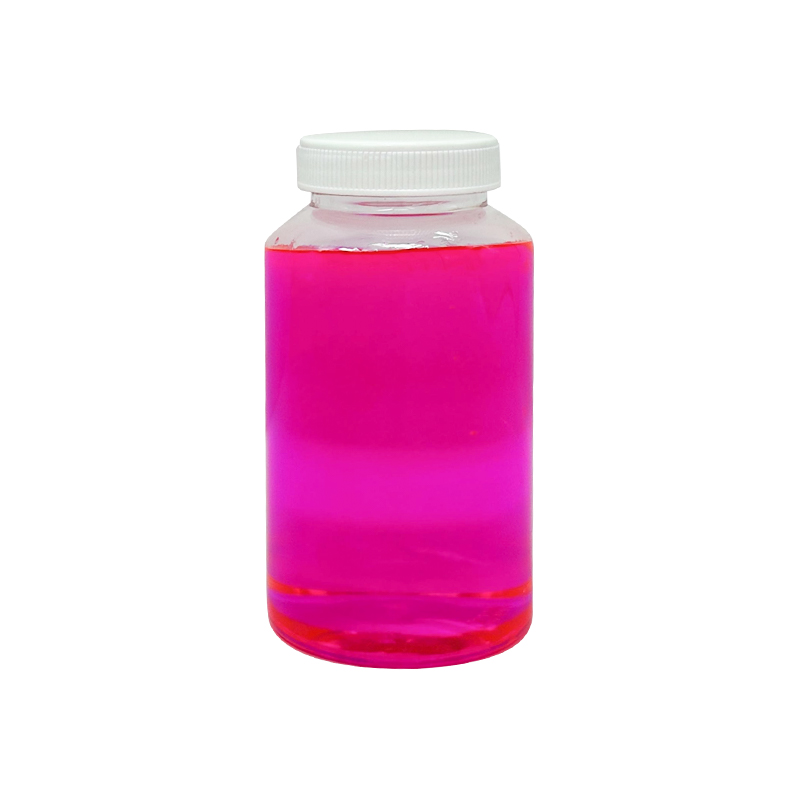
Pop the hood of almost any car and you'll find a translucent plastic tank, usually marked with a "min" and "max" line, holding a brightly colored liquid. That liquid is Fuel Vehicle Engine Coolant, and despite how little attention it usually gets, it's one of the few fluids in a car that, if it ran out completely, could bring an engine to a very expensive stop within minutes.
Quick Facts
- Coolant carries heat away from the engine and releases it through the radiator.
- Most modern coolant is a mixture of water and a chemical base, not water alone.
- Coolant also raises the boiling point and lowers the freezing point of the fluid in the system.
- Corrosion inhibitors in coolant protect metal engine components from rust and scale.
What Fuel Vehicle Engine Coolant Actually Is
An internal combustion engine — the kind found in most fuel-powered cars — runs by burning fuel in small, controlled explosions thousands of times per minute. That process generates an enormous amount of heat, far more than the metal components of the engine could safely handle on their own. Fuel Vehicle Engine Coolant is the fluid responsible for carrying that heat away before it can damage the engine, circulating continuously through a network of internal passages, hoses, and the radiator at the front of the vehicle.
Despite the name, coolant isn't simply cold liquid. It's a specially formulated mixture, typically combining water with a chemical base such as ethylene glycol or propylene glycol, along with a package of additives. Water alone is actually a decent heat conductor, but it freezes and boils at temperatures an engine regularly experiences, and it does little to protect metal surfaces from corrosion. The glycol base changes the fluid's freezing and boiling points substantially, while the additive package handles the corrosion-prevention side of the job.
The reason engines rely on liquid cooling at all, rather than air alone, comes down to how much heat internal combustion actually produces. A running engine converts only a portion of the energy in its fuel into motion; a substantial share is released as heat, some of which escapes through the exhaust system and some of which transfers directly into the surrounding metal. Left unmanaged, that heat would quickly push engine components past the temperatures at which metals expand unevenly, lubricating oil breaks down, and seals and gaskets begin to fail. Coolant exists specifically to intercept that heat at the source and move it somewhere it can be safely released, which is why the fluid is engineered rather than simply chosen off the shelf as ordinary water.
It's also worth understanding that coolant formulations aren't identical across every vehicle. Manufacturers often specify particular chemical types suited to the metals and gaskets used in a given engine, since different formulations interact differently with aluminum, copper, or the various rubber and composite materials found throughout a cooling system. This is one reason vehicle manuals typically specify a particular coolant type rather than treating all coolant as one universal product.
How It Works Inside the Engine, Step by Step
The cooling process follows a continuous loop rather than a single event, and it's easiest to understand broken into stages:
- Circulation begins. A water pump, driven by the engine itself, pushes coolant through passages cast into the engine block and cylinder head, areas that surround the hottest parts of the engine.
- Heat absorption. As coolant flows past these hot surfaces, it absorbs heat much the way a metal spoon left in hot soup gradually warms up — except here, the fluid is constantly moving, so it keeps absorbing fresh heat rather than reaching equilibrium.
- Transport to the radiator. The now-heated coolant travels through a hose to the radiator, a component built from thin metal fins designed to expose the fluid to as much surface area as possible.
- Heat release. Air flowing through the radiator — either from the car's forward motion or a cooling fan — pulls heat out of the coolant and carries it away into the atmosphere.
- Return and repeat. Cooled fluid flows back into the engine to absorb more heat, and the cycle continues for as long as the engine runs.
A thermostat sits in this loop as a kind of traffic controller. When an engine is cold, the thermostat stays mostly closed, restricting coolant flow to the radiator so the engine can warm up to its ideal operating temperature more quickly. Once that temperature is reached, the thermostat opens further, allowing full circulation so the cooling system can keep pace with ongoing heat production.
A Brief Look at Why This Fluid Exists
Early automobiles often relied on plain water for cooling, which created two persistent problems: water freezes at a temperature well within the range many drivers experience seasonally, and it boils at a temperature an engine can reach fairly easily under load. Both situations could damage an engine — freezing water expands and can crack the metal block, while boiling water loses its ability to carry heat away effectively and can lead to dangerous overheating. As automotive engineering matured through the twentieth century, chemists developed glycol-based formulations specifically to address both problems simultaneously, extending the usable temperature range of the fluid far beyond what plain water could offer.
Over time, additive packages were refined further to address a second challenge: corrosion. Cooling systems combine several different metals and materials in close contact with a circulating fluid, conditions that would otherwise encourage rust, scale, and gradual material breakdown. Modern coolant formulations are the result of decades of refinement aimed at solving both the temperature problem and the corrosion problem within a single, practical fluid that could be manufactured consistently and used across a wide range of vehicles. Understanding this background helps explain why coolant is treated as a chemically engineered product rather than something a vehicle owner might reasonably substitute with whatever liquid happens to be on hand.
Coolant Properties and Specifications, In Plain Terms
Several measurable properties define how well a coolant does its job, and understanding them helps explain why a specific formulation is chosen over simply using whatever fluid happens to be available. The table below translates the technical specifications into what they actually mean for a vehicle owner day to day.
| Property | What It Means in Practice |
|---|---|
| Freezing point | The temperature at which the fluid would turn to ice. A properly mixed coolant resists freezing well below temperatures plain water could handle, preventing cracked engine blocks in cold weather. |
| Boiling point | The temperature at which the fluid would turn to vapor. Coolant's elevated boiling point helps prevent the system from boiling over during heavy engine load or hot weather. |
| Corrosion inhibitors | Chemical additives that coat metal surfaces inside the cooling system, reducing rust, scale buildup, and gradual wear on the water pump, radiator, and engine passages. |
| Mixture ratio | The proportion of glycol base to water, commonly around a 50-50 split, which balances freeze and boil protection against heat-carrying efficiency. |
| Service interval | The recommended timeframe or mileage before coolant should be flushed and replaced, since additives gradually break down with age and use. |
What Affects Coolant Performance Over Time
Coolant doesn't stay chemically identical throughout its service life. Several factors influence how well it continues to protect an engine:
- Additive depletion. Corrosion inhibitors are gradually used up as they do their job, meaning older coolant offers less protection even if it still looks and flows normally.
- Contamination. Dirt, rust particles, or air bubbles introduced into the system can reduce coolant's ability to transfer heat efficiently and may accelerate wear on internal components.
- Mixture dilution. Adding plain water repeatedly without maintaining the correct ratio can weaken the fluid's freeze and boil protection over time.
- Operating conditions. Vehicles regularly driven in extreme heat, towing loads, or stop-and-go traffic place more thermal stress on coolant, which can shorten its effective service life.
- System leaks. A slow leak can gradually lower the coolant level, forcing the remaining fluid to work harder and increasing the risk of localized overheating.
Another factor worth understanding is how coolant interacts with the rest of the cooling system mechanically, not just chemically. A water pump that's beginning to wear can reduce circulation speed, meaning coolant spends less time actively moving heat even if the fluid itself is in good condition. Similarly, a radiator with fins clogged by road debris, or a cooling fan that isn't engaging properly, can reduce how effectively heat is released once the coolant reaches the radiator. In other words, good coolant chemistry is necessary but not sufficient on its own — it works as part of a broader mechanical system, and problems anywhere in that system can reduce overall cooling performance even when the fluid itself hasn't degraded significantly.
Air pockets are a more subtle issue that occasionally develops after maintenance work, such as a coolant flush or hose replacement. If air becomes trapped within the system rather than fully purged, it can create pockets that interfere with even heat distribution, sometimes leading to localized hot spots despite an apparently normal coolant level. This is one reason proper bleeding procedures are typically part of any coolant service, ensuring the system circulates fluid rather than trapped air through the passages that need it most.
Coolant in Everyday Driving Situations
Most drivers interact with coolant indirectly, through the temperature gauge on the dashboard or the occasional dashboard warning light. In hot climates or during long highway drives, a properly maintained cooling system works constantly to prevent the engine from creeping into an overheating range, particularly during stop-and-go traffic where less air naturally flows through the radiator. In cold climates, the same fluid prevents the water inside the engine from freezing overnight, which could otherwise crack the engine block as ice expands.
Seasonal transitions place their own particular demands on the cooling system. As outdoor temperatures shift from summer heat to winter cold, a vehicle's coolant is expected to perform reliably across both extremes without any change to the fluid itself, which is part of why the mixture ratio and formulation matter so much. Vehicles that regularly tow trailers, carry heavy loads, or idle for extended periods — such as delivery vehicles or vehicles used in stop-and-go city driving — place additional thermal demands on the cooling system, since sustained engine load generates more heat for the coolant to manage over longer stretches of time.
Routine maintenance visits typically include a coolant level check, and periodically a full flush and refill, since the fluid's protective qualities diminish gradually rather than failing all at once. Because problems with coolant often build slowly — a small leak, a slightly low level, a subtly reduced additive package — regular checks tend to catch issues long before they become a roadside breakdown. Many drivers also learn to recognize early warning signs on their own, such as a sweet smell near the vehicle, small puddles of colored fluid beneath a parked car, or a temperature gauge that runs a little higher than usual, all of which can prompt an inspection before a minor issue becomes a more serious one.
Coolant Compared With Water and Antifreeze Concentrate
It helps to see how coolant relates to two commonly confused alternatives.
| Fluid | Composition | Suitability for Ongoing Use |
|---|---|---|
| Plain water | Just water, no additives | Poor: freezes and boils at normal temperatures, offers no corrosion protection |
| Antifreeze concentrate | Glycol base without dilution | Not ideal alone: too concentrated to transfer heat efficiently without being mixed with water first |
| Premixed engine coolant | Glycol base, water, and corrosion inhibitors already balanced | Good: designed to be used directly, offering both temperature protection and metal protection |
This comparison also answers one of the most common points of confusion: coolant and antifreeze are related but not automatically identical terms. Antifreeze typically refers to the concentrated glycol base before it's diluted, while coolant usually describes the ready-to-use mixture of that base with water and additives. In everyday conversation, though, many people use the two words interchangeably to describe the fluid in the cooling system. This overlap in language is one reason confusion persists, even though the underlying products serve slightly different roles depending on whether they're being sold as a concentrate meant for mixing or a ready-to-use fluid meant for direct use.
Common Misconceptions
One widespread misunderstanding is that any coolant color is simply cosmetic and interchangeable across vehicles. In reality, color often signals a different chemical formulation, and mixing incompatible types can reduce the effectiveness of the corrosion inhibitors in either fluid. Another misconception is that a full coolant reservoir always means the system is fine — a reservoir can appear full while the coolant itself has degraded chemically and lost much of its corrosion protection, since visual level and chemical condition are two separate things.
Some drivers also assume that plain water is an acceptable long-term substitute in a pinch. Water can serve as a very short-term emergency top-up to get a vehicle to a service location, but relying on it regularly removes the freeze protection, boil protection, and corrosion inhibitors that make coolant necessary in the first place, and can accelerate internal wear over time. Finally, it's sometimes assumed that a coolant system only matters in very hot or very cold climates. In practice, temperature regulation matters year-round, since engines generate significant heat simply from normal operation regardless of the outside weather.
There's also a common assumption that opening the radiator cap to check coolant level is a safe, casual task at any time. In reality, a hot cooling system is pressurized, and opening it while the engine is still warm can release scalding fluid and steam. This isn't a chemistry misconception so much as a safety one, but it's closely related: because coolant operates at higher-than-atmospheric pressure by design — which itself raises its effective boiling point — checking it safely means waiting until the engine has cooled rather than assuming a full reservoir is always safe to inspect immediately.
Conclusion
Fuel vehicle engine coolant is easy to overlook precisely because it works quietly and continuously, circulating heat away from the engine, protecting metal components from corrosion, and keeping the system's freezing and boiling points within a safe range no matter the season. Its performance depends on a mix of chemistry and maintenance — the right formulation, the right ratio, and periodic replacement as additives naturally wear down. Understanding what Fuel Vehicle Engine Coolant actually does makes it easier to see why it's treated as a core maintenance item rather than an afterthought, and why keeping an eye on both its level and its condition plays a meaningful role in keeping an engine running reliably over the long term. What's easy to miss, given how ordinary the fluid looks sitting in its reservoir, is how much engineering sits behind that unassuming liquid: a balance of freezing point, boiling point, heat-carrying capacity, and corrosion protection, all packed into a single formula designed to work continuously without drawing attention to itself. That quiet reliability is, in many ways, the whole point.
Frequently Asked Questions
Is vehicle coolant the same as antifreeze?
Not exactly. Antifreeze usually refers to the concentrated glycol base before dilution, while coolant typically describes the ready-to-use mixture of that base with water and corrosion-inhibiting additives. Many people use the terms interchangeably in everyday conversation, but technically they describe different stages of the same fluid.
Is it OK to drive with low coolant?
Driving with low coolant is risky, since it reduces the system's ability to carry heat away from the engine and can lead to localized overheating. If the level is low, it's best addressed before continuing to drive, particularly on longer trips or in hot weather.
Can I use water instead of coolant?
Water can work as a brief emergency measure to reach a service location, but it lacks the freeze protection, boil protection, and corrosion inhibitors that proper coolant provides. Relying on water regularly can leave engine components more vulnerable to rust and temperature-related damage over time.
How often should I change coolant?
This varies by vehicle and coolant formulation, since additive packages degrade at different rates and some modern formulations are designed to last considerably longer than older types. Checking a vehicle's specific maintenance guidance is the most reliable way to determine the right interval, since coolant service life is not identical across all vehicles or coolant types, and following a generic rule of thumb can mean servicing it too early or too late.
What happens if you don't change your coolant?
Over time, the corrosion inhibitors in old coolant break down, leaving metal components in the cooling system more exposed to rust and scale buildup. This can gradually reduce cooling efficiency and, in more advanced cases, contribute to overheating, radiator damage, or wear on internal components such as the water pump, which can turn a routine fluid service into a more involved and costly repair.
How can you tell if coolant needs replacing?
Signs can include a change in the fluid's color or clarity, a burnt or unusual smell, visible particles or cloudiness, or a maintenance interval indicator based on mileage or time. A professional inspection can also test the fluid's chemical condition directly rather than relying on appearance alone.
HOT NEWS



Contact
 [email protected]
 + 86 - 4006663580
 Industrial Concentration Zone, Xinjian Town, Yixing City, Wuxi City, Jiangsu Province, China
Copyright © Leanon Petroleum Technology Co., Ltd. All Rights
Reserved
Wholesale Private Label Lubricants Manufacturers
