Industry News Industry News
Home / News & Share / Industry News / Universal Transmission Fluid Guide: Types, Uses & Compatibility

Universal Transmission Fluid Guide: Types, Uses & Compatibility


Quick Answer: A Universal Transmission Fluid is a lubricant engineered to work across multiple transmission types and vehicle brands, reducing friction, transferring hydraulic pressure, and cooling internal components. The right fluid for your car depends on your transmission type (automatic, manual, CVT, or DCT) and the specification listed in your owner's manual, not just the word "universal" on the bottle.

What Transmission Fluid Actually Is

Transmission fluid is a specially formulated oil that lubricates gears, clutches, and bands inside a vehicle's transmission. Unlike engine oil, it also acts as a hydraulic medium, transmitting pressure that allows automatic transmissions to shift gears smoothly. Most fluids are built on a synthetic or semi-synthetic base and blended with additives such as friction modifiers, detergents, anti-wear agents, and corrosion inhibitors.

A Universal Transmission Fluid takes this formula further by blending additive packages that satisfy several manufacturer specifications at once, such as Dexron, Mercon, and various Asian and European OEM standards. This makes it a practical option for repair shops and multi-car households, though it still needs to match the transmission's friction requirements.

What Transmission Fluid Does Inside the Gearbox

Transmission fluid performs four core jobs, and each one directly affects how your car drives and how long the transmission lasts.

Lubrication Coats gears, bearings, and clutch plates to reduce metal-on-metal wear.
Hydraulic pressure Powers the valve body and clutch packs so automatic transmissions can shift gears.
Cooling Carries heat away from friction surfaces, often through an external cooler.
Seal conditioning Keeps rubber seals pliable to prevent leaks at the pan gasket and axle seals.

A transmission running low-quality or degraded fluid loses hydraulic response first, which is why delayed or harsh shifting is usually the earliest warning sign of fluid trouble.

Choosing the Right Transmission Fluid for Your Car

The phrase "universal" describes the fluid's broad additive compatibility, not a one-size-fits-all guarantee. Before buying, confirm three things: transmission type, manufacturer specification, and viscosity grade listed in the owner's manual or on the dipstick cap.

Transmission Type Typical Fluid Category Common Spec Examples
Automatic (traditional torque converter) ATF, often Dexron or Mercon based Dexron VI, Mercon LV
CVT (Continuously Variable) CVT-specific fluid, not standard ATF NS-2, NS-3, CVTF+4
Dual-Clutch (DCT) DCT fluid with wet or dry clutch formula Manufacturer-specific DCT fluid
Manual gearbox Gear oil or manual transmission fluid 75W-90 GL-4, GL-5

Using ATF in a CVT, or vice versa, is one of the most common and costly mistakes drivers make, since CVT belts and pulleys require friction characteristics that standard ATF does not provide.

What Makes a Transmission Fluid the Best Option

There is no single best fluid across every vehicle, but the strongest candidates share measurable traits rather than marketing claims.

  • Matches OEM specification exactly rather than claiming loose compatibility.
  • Stable viscosity across temperature swings, typically tested from minus 40 degrees Celsius up to 150 degrees Celsius.
  • Oxidation resistance, so the fluid does not break down and turn dark or acidic before the recommended change interval.
  • Consistent friction coefficient, which keeps automatic shifts smooth rather than causing shudder during light acceleration.

A fluid that meets these four criteria for your specific transmission will outperform a generic product even if the generic version is cheaper per liter.

Symptoms of Too Much Transmission Fluid in an Automatic

Overfilling is just as damaging as running low, because excess fluid gets aerated by the spinning gears, creating foam that cannot transmit hydraulic pressure correctly.

Symptom Why It Happens
Delayed or slipping gear shifts Foamy fluid cannot build the hydraulic pressure clutches need to engage.
Fluid leaking from the vent or dipstick tube Excess volume has nowhere to go and escapes through pressure relief points.
Burnt smell from under the hood Aerated fluid loses cooling ability, allowing internal components to overheat.
Rough idle or unusual whining noise Foam bubbles cause erratic pump pressure readings that affect shift behavior.

If you notice these signs, check the fluid level with the engine running and at operating temperature, since most dipsticks are calibrated for a warm reading. Draining the excess back to the correct mark typically resolves the symptoms within one drive cycle.

Practical Maintenance Tips

Consistent care extends transmission life far more than any single fluid brand can. A few habits make a measurable difference over time.

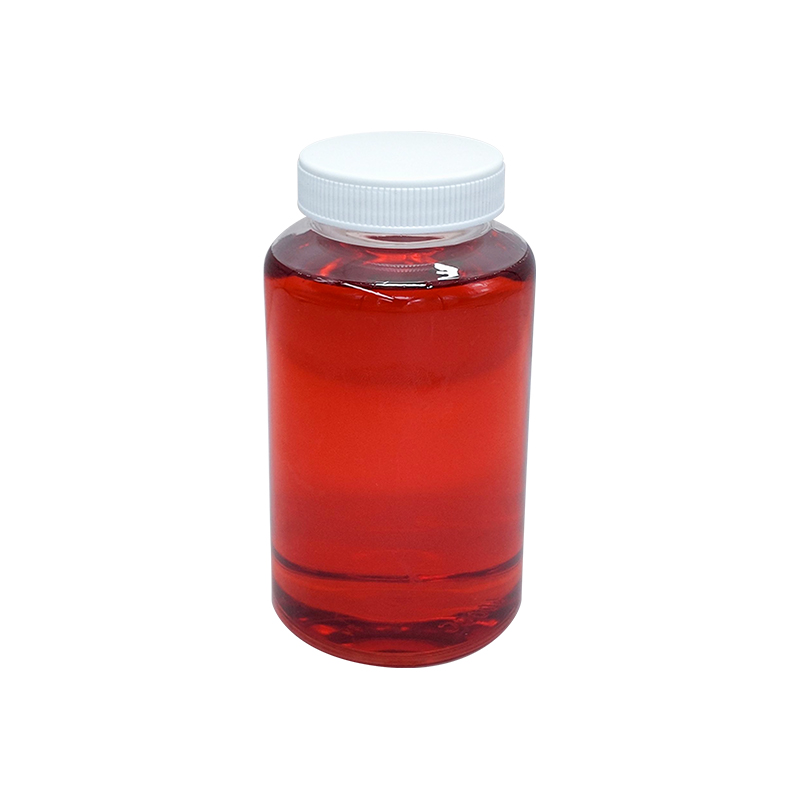
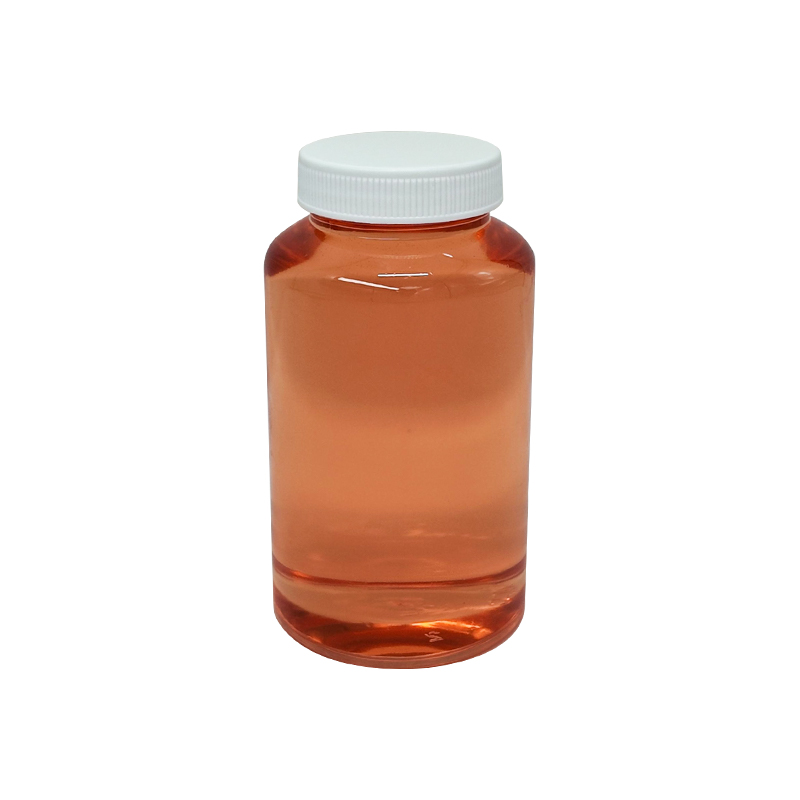
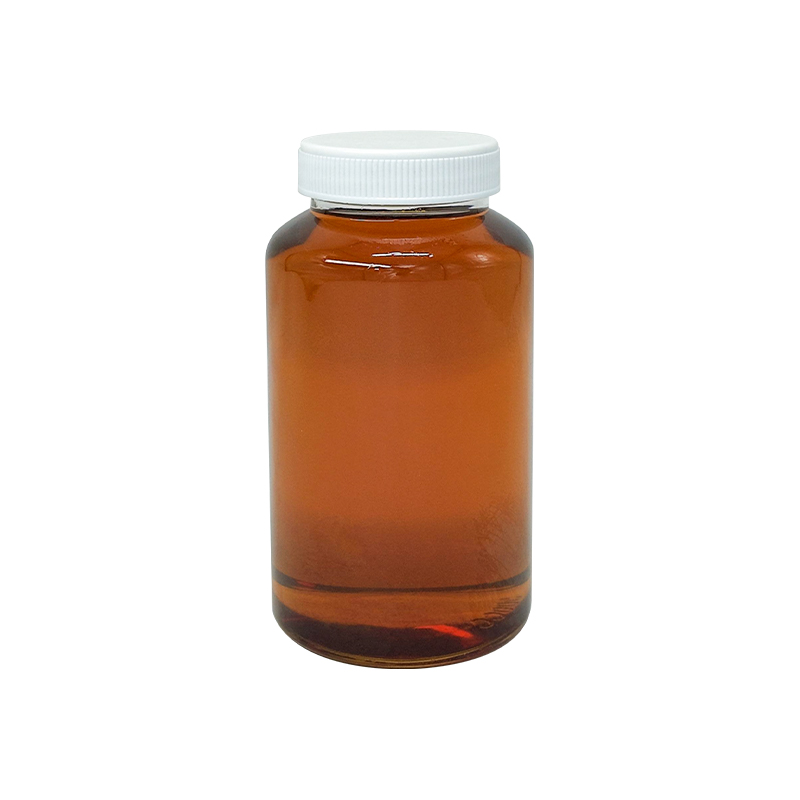
  • Check fluid color at every oil change; healthy fluid is typically red or amber, while brown or black fluid signals oxidation.
  • Follow the manufacturer's change interval, which commonly ranges from 60,000 to 100,000 kilometers depending on driving conditions.
  • Avoid mixing fluid types even within the same category, since additive packages can react unpredictably when blended.
  • Have the fluid level checked professionally after any transmission service to confirm it sits within the correct range.