

 English
  русский
  Español
  عربى
عربى  中文简体
中文简体

 Industry News
Industrial Lubricant Guide: Types, Selection, Safety
200+ proven lubricant solutions delivered
Content
- 1 What Is Industrial Lubricant?
- 2 Working Principle and Characteristics
- 3 What Are the Different Types of Industrial Lubricants?
- 4 What Is the Most Commonly Used Lubricant?
- 5 Technical Specifications and Performance Factors
- 6 Application Scenarios
- 7 Mineral vs. Synthetic Lubricants
- 8 The Basics of Industrial Lubricant Selection
- 9 Safety Tips for Industrial Lubricants: Proper Handling and Precautions
- 10 Lubricant Hazards and Safety Considerations
- 11 Industrial Lubricant Equipment Life Extension
- 12 Common Mistakes and Overlooked Considerations
- 13 Industry Trends and Outlook
- 14 Conclusion
- 15 Frequently Asked Questions
- 15.1 What are the different types of industrial lubricants?
- 15.2 What is the most commonly used lubricant?
- 15.3 How do you choose the right industrial lubricant?
- 15.4 What safety precautions should be followed when handling industrial lubricants?
- 15.5 What hazards are associated with industrial lubricants?
- 15.6 How does industrial lubricant extend equipment life?
What Is Industrial Lubricant?
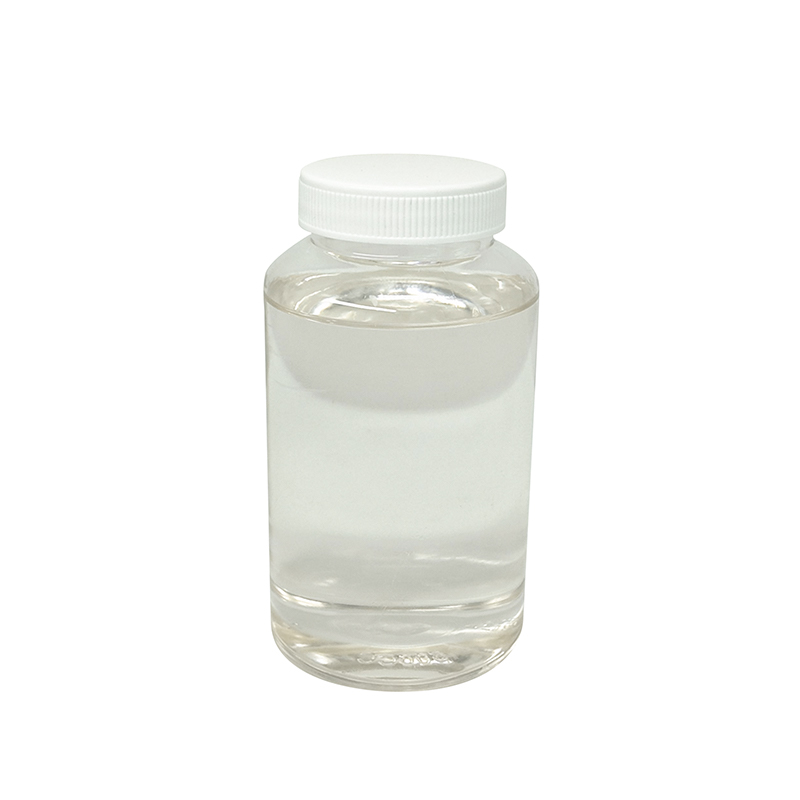
Industrial lubricant is a formulated fluid or semi-fluid material applied between contacting mechanical surfaces to reduce friction, dissipate heat, and limit metal-to-metal wear. Formulations combine a base oil, either mineral, synthetic, or semi-synthetic, with additive packages that provide properties such as oxidation resistance, extreme pressure protection, or corrosion inhibition depending on the operating environment.
Friction Reduction Heat Dissipation Corrosion Control Wear Protection
Working Principle and Characteristics
Lubricants function by forming a thin film between contacting surfaces, separating them enough to prevent direct metal contact while allowing controlled relative motion. Viscosity, the fluid's resistance to flow, determines how well this film is maintained under load and temperature. Additive packages modify base performance, adding characteristics such as extreme pressure resistance for heavily loaded gears or oxidation stability for extended service intervals.
What Are the Different Types of Industrial Lubricants?
Mineral Oil-Based Lubricants
Refined from crude petroleum, these are the most widely available base oil type, suited to general-purpose machinery operating within moderate temperature ranges.
Synthetic Lubricants
Chemically engineered base oils offering more consistent viscosity across temperature extremes, commonly specified for high-load or high-temperature equipment.
Semi-Synthetic Lubricants
A blend of mineral and synthetic base oils, balancing performance improvements with a lower cost than fully synthetic formulations.
Greases
Semi-solid lubricants combining base oil with a thickening agent, used where a lubricant needs to stay in place without dripping or migrating away from the contact point.
Gear Oils
Formulated with extreme pressure additives to withstand the high contact loads generated between meshing gear teeth.
Hydraulic Fluids
Engineered for consistent viscosity and rapid air release, supporting precise force transmission in hydraulic systems.
What Is the Most Commonly Used Lubricant?
Mineral oil-based lubricants remain the most widely used category across general industrial equipment, due to their broad availability and suitability for a wide range of standard operating temperatures and loads. Synthetic lubricants are used more selectively, typically where equipment operates outside the temperature or load range that mineral oils handle reliably.
Technical Specifications and Performance Factors
| Parameter | Typical Range | Selection Relevance |
| Viscosity Grade (ISO VG) | 32 to 680 | Matches load and operating speed of the equipment |
| Operating Temperature | -20°C to 200°C | Synthetic oils extend range beyond mineral base limits |
| Flash Point | 180°C to 280°C | Relevant for high-temperature operating environments |
| Pour Point | -30°C to -5°C | Determines low-temperature flow performance |
| Additive Package | Anti-wear, EP, anti-oxidant | Tailors protection to specific mechanical demands |
Application Scenarios
- Gearboxes and reduction drives requiring extreme pressure protection under sustained load
- Hydraulic systems in manufacturing and mobile equipment requiring stable viscosity
- Bearings in rotating machinery operating at high speed or elevated temperature
- Chain and open gear systems requiring adhesive lubricants that resist throw-off
- Compressors and turbines requiring lubricants with strong oxidation resistance
Mineral vs. Synthetic Lubricants
| Factor | Mineral Oil | Synthetic Oil |
| Temperature Stability | Moderate range | Wider operating range |
| Oxidation Resistance | Lower, shorter service life | Higher, extended service intervals |
| Cost | Lower initial cost | Higher initial cost |
| Typical Use Case | General-purpose machinery | High-load or extreme-temperature equipment |
The Basics of Industrial Lubricant Selection
Selection starts with matching viscosity grade to equipment manufacturer specifications, since both excessive and insufficient viscosity accelerate wear. Beyond viscosity, operating temperature range, load type, contamination exposure, and required service interval all narrow the choice between base oil types and additive packages. Equipment operating in washdown or high-humidity environments benefits from formulations with stronger water separation and corrosion protection properties.
Safety Tips for Industrial Lubricants: Proper Handling and Precautions
Storage. Store lubricants in sealed, labeled containers away from direct sunlight and temperature extremes to preserve additive performance.
Handling equipment. Use dedicated transfer pumps and containers for each lubricant type to prevent cross-contamination between incompatible formulations.
Personal protective equipment. Wear gloves and eye protection when handling lubricants, particularly formulations containing extreme pressure additives.
Spill response. Keep absorbent material near lubrication points to contain spills quickly and reduce slip hazards on plant floors.
Disposal. Collect used lubricant separately for proper disposal or recycling rather than combining it with other waste streams.
Lubricant Hazards and Safety Considerations
Beyond slip and spill hazards, some lubricant formulations present flammability risks at elevated temperatures, which makes flash point a relevant consideration near heat sources. Prolonged skin contact with certain additive packages can cause irritation, and inhalation of mist generated during high-speed application should be minimized through proper ventilation or enclosure. Reviewing the safety data sheet for a specific formulation before handling identifies the relevant precautions for that product.
Industrial Lubricant Equipment Life Extension
Correctly matched lubrication reduces metal-to-metal contact and heat buildup, which directly slows component wear and delays the onset of fatigue-related failures. Maintaining lubricant cleanliness through filtration and scheduled changes prevents abrasive contaminants from accelerating wear inside bearings and gear sets. Equipment operated with degraded or incorrect lubricant typically shows increased vibration and higher operating temperature well before a visible failure occurs, making lubricant condition monitoring a practical early indicator of developing mechanical issues.
Common Mistakes and Overlooked Considerations
- Selecting lubricant viscosity based on ambient temperature alone, without accounting for operating temperature under load
- Mixing incompatible lubricant types during top-off, which can degrade additive performance
- Extending service intervals beyond manufacturer recommendations without monitoring oil condition
- Overlooking contamination control, allowing dirt or moisture ingress to accelerate component wear
Industry Trends and Outlook
Extended-life synthetic formulations continue to gain adoption as facilities look to reduce lubrication-related maintenance frequency. Growing attention to environmental impact has also increased interest in biodegradable lubricant formulations for applications with higher spill or leak exposure, particularly in outdoor and mobile equipment settings.
Conclusion
Selecting the right industrial lubricant depends on matching viscosity, base oil type, and additive package to the specific load, temperature, and contamination conditions of the equipment, while following proper handling practices to maintain both safety and long-term performance.
Frequently Asked Questions
What are the different types of industrial lubricants?
Common types include mineral oil-based lubricants, synthetic lubricants, semi-synthetic blends, greases, gear oils, and hydraulic fluids, each formulated for different load, temperature, and application requirements.
What is the most commonly used lubricant?
Mineral oil-based lubricants are the most widely used across general industrial equipment due to their broad availability and suitability for standard operating conditions.
How do you choose the right industrial lubricant?
Start with the equipment manufacturer's viscosity specification, then account for operating temperature, load type, and contamination exposure to narrow the base oil and additive selection.
What safety precautions should be followed when handling industrial lubricants?
Store lubricants properly labeled and sealed, use dedicated transfer equipment to avoid cross-contamination, wear appropriate protective equipment, and keep absorbent material on hand for spill response.
What hazards are associated with industrial lubricants?
Potential hazards include slip risk from spills, flammability at elevated temperatures for certain formulations, skin irritation from prolonged contact, and inhalation exposure to mist during high-speed application.
How does industrial lubricant extend equipment life?
Correct lubrication reduces metal-to-metal contact and heat buildup, slowing component wear, while regular filtration and scheduled changes prevent contaminants from accelerating damage inside bearings and gears.
HOT NEWS



Contact
 [email protected]
 + 86 - 4006663580
 Industrial Concentration Zone, Xinjian Town, Yixing City, Wuxi City, Jiangsu Province, China
Copyright © Leanon Petroleum Technology Co., Ltd. All Rights
Reserved
Wholesale Private Label Lubricants Manufacturers
