Industry News Industry News
Home / News & Share / Industry News / Thermal Stability Advantages of L-CKD 150# 1L Medium Car Manual Transmission Gear Oil Fluid in High-Stress City Driving

Thermal Stability Advantages of L-CKD 150# 1L Medium Car Manual Transmission Gear Oil Fluid in High-Stress City Driving


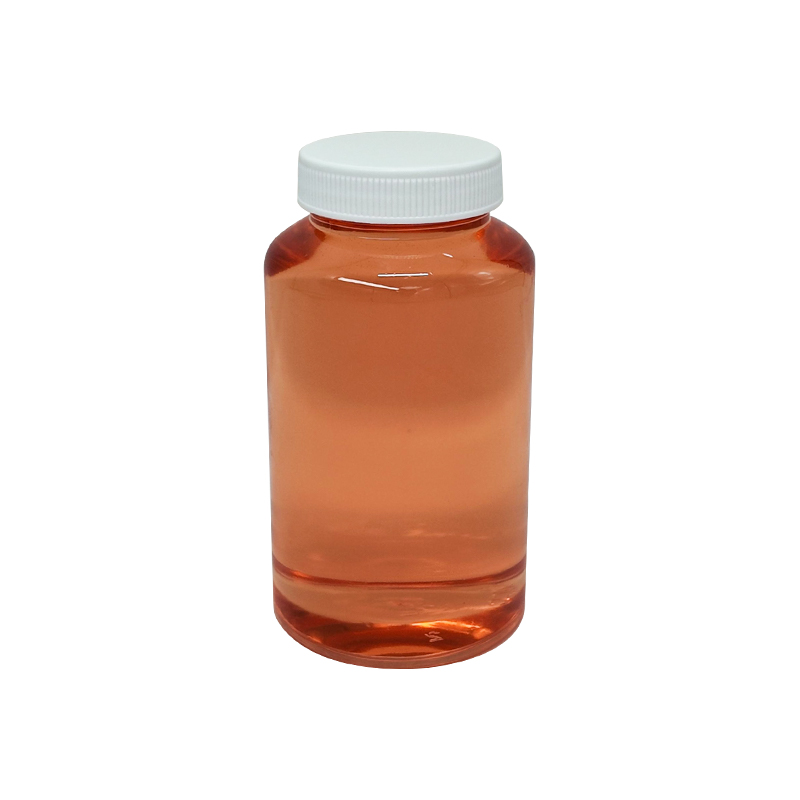
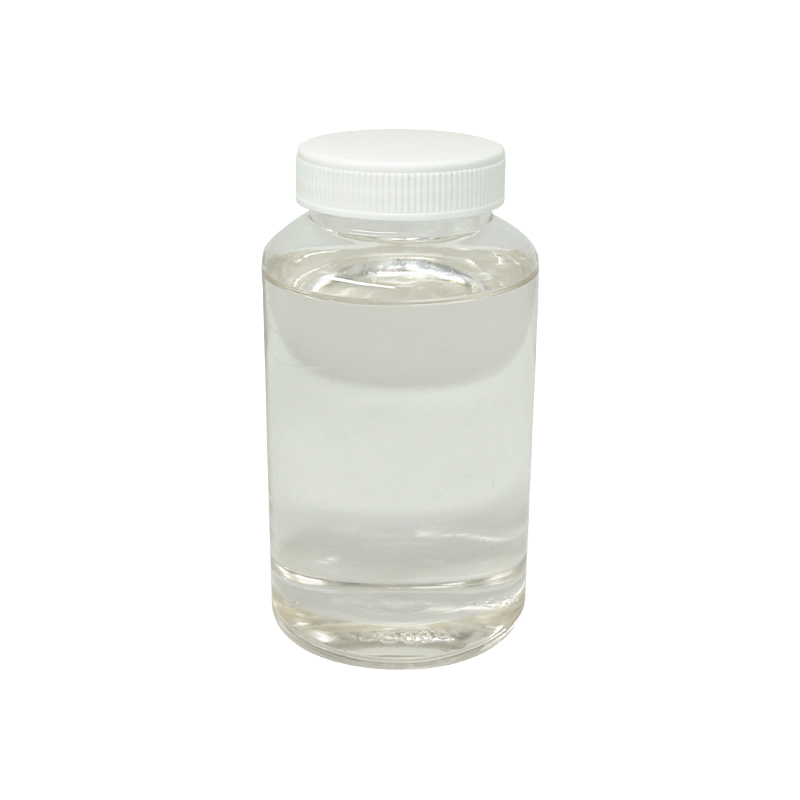
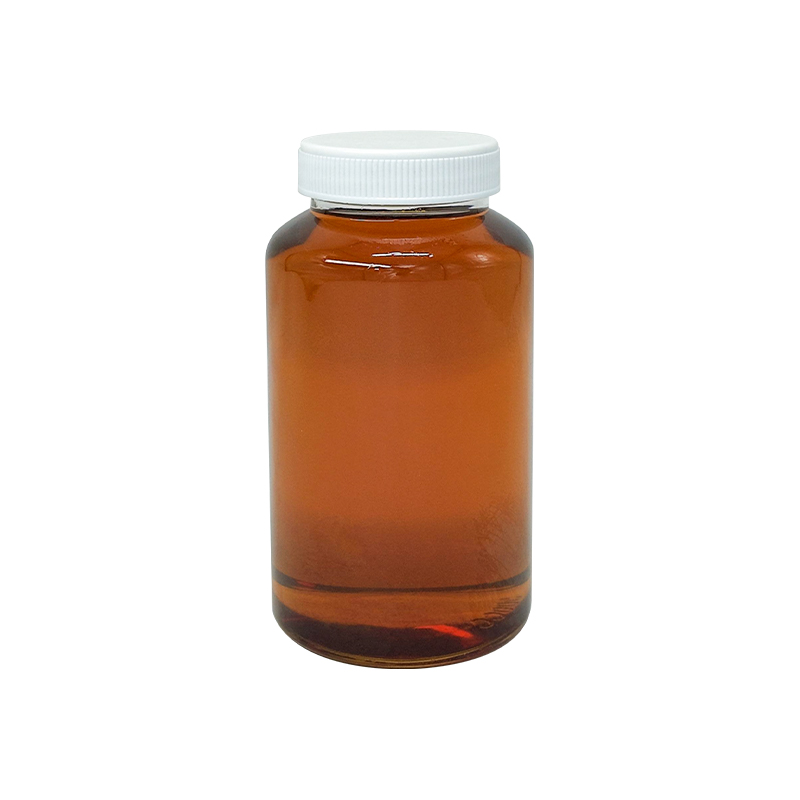
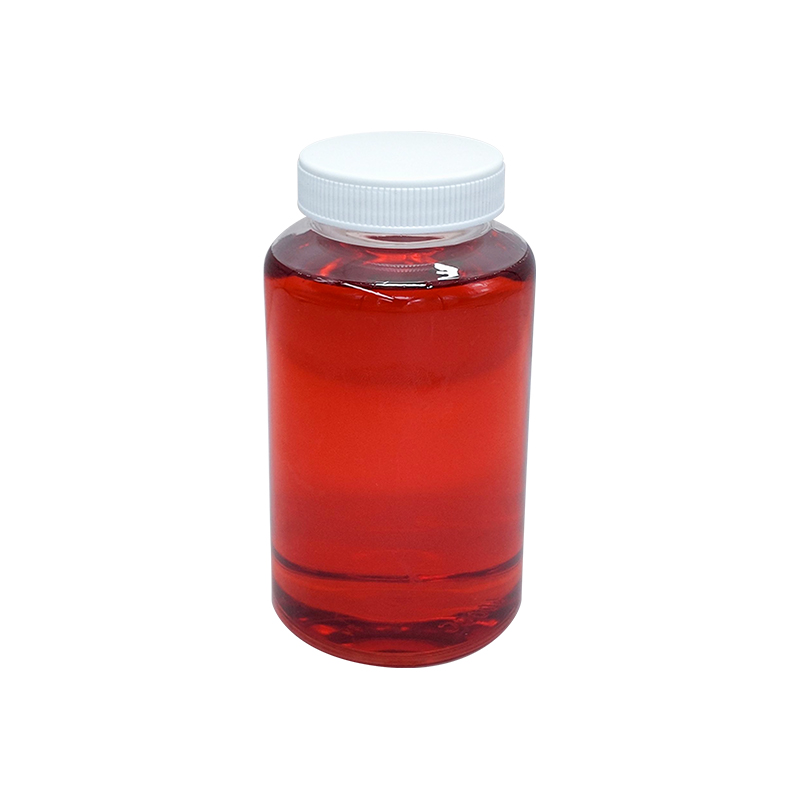
Heavy-duty city driving, characterized by frequent start-stop cycles and high torque at low speeds, subjects transmission components to rapid thermal fluctuations. Under these conditions, the molecular integrity of the lubricant is the primary defense against gear pitting and synchronization failure. Analyzing the technical properties of L-CKD 150# 1L Medium Car Manual Transmission Gear Oil Fluid reveals how specific chemical formulations maintain system health where standard lubricants degrade.

Kinematic Viscosity Maintenance and Shear Stability Under Thermal Stress

The core performance of L-CKD 150# 1L Medium Car Manual Transmission Gear Oil Fluid is defined by its resistance to viscosity loss when bulk oil temperatures spike during prolonged idling and low-gear operation.

  • 1. ISO VG 150 Viscosity Grade Consistency: Unlike lighter fluids, the 150# grade provides a robust hydrodynamic film. Engineers often evaluate how ISO VG 150 compares to lighter gear oils in high-load scenarios to ensure that the lubricating film thickness remains above the minimum threshold required to prevent metal-to-metal contact.
  • 2. Shear Stability Index (SSI): Mechanical shearing in manual transmissions can permanently break polymer chains. This fluid is engineered to maintain its viscosity grade throughout the service interval, preventing the thinning that typically leads to gear rattle.
  • 3. Viscosity Index (VI) Resilience: With a high VI, the fluid remains pumpable during cold starts while ensuring sufficient body at 100°C. This is critical for choosing gear oil for medium cars in stop-and-go traffic where local heat zones in the gearbox can exceed average sump temperatures.

Chemical Oxidation Resistance and Sludge Prevention

High thermal loads accelerate the reaction between oxygen and hydrocarbons. The industrial-grade L-CKD formulation used in L-CKD 150# 1L Medium Car Manual Transmission Gear Oil Fluid is specifically designed to suppress this degradation.

  • 1. Oxidation Induction Time (OIT): The anti-oxidant package extends the OIT, ensuring that the oil does not thicken or form acidic byproducts. This addresses the question of why L-CKD industrial standards benefit manual transmissions by providing a higher thermal ceiling than standard GL-4 fluids.
  • 2. Sludge and Varnish Control: In heavy-duty city driving, carbonaceous deposits can interfere with synchronizer engagement. The detergent-dispersant additives in this fluid keep contaminants in suspension, maintaining gearbox cleanliness in heavy-duty urban driving environments.
  • 3. Thermal Degradation Limits: The fluid is tested to resist carbonization at temperatures exceeding 120°C, a common peak during summer urban congestion.

Extreme Pressure (EP) Performance and Synchronizer Compatibility

Thermal stability is useless if the additive package fails under load or corrodes internal components. The L-CKD 150# 1L Medium Car Manual Transmission Gear Oil Fluid balances extreme pressure protection with chemical neutrality.

  • 1. Sulfur-Phosphorus EP Balance: The extreme pressure additives form a sacrificial layer on gear teeth. A technical concern is is L-CKD 150 gear oil safe for yellow metal synchronizers; this formulation uses deactivated sulfur to ensure high load-carrying capacity without corroding copper-based alloys.
  • 2. Four-Ball Wear Test Parameters: This fluid achieves a high weld load rating (measured in kgf), indicating its ability to protect gears under shock loading. Comparing L-CKD 150 vs GL-5 for car gearboxes shows that while GL-5 has more EP additives, L-CKD provides the specific friction coefficient required for smooth shifting in manual units.
  • 3. Frictional Coefficient Stability: Consistent friction is required for the synchronizer ring to match speeds. Thermal stability ensures this coefficient does not shift as the oil heats up, preventing "notchy" shifting.

Comparison of Technical Specifications and Material Safety

The transition from mineral-based lubricants to high-performance L-CKD formulations involves a shift in physical property targets. The table below outlines the performance delta observed in high-temperature testing.

Test Parameter Standard Automotive Gear Oil L-CKD 150# Heavy-Duty Fluid
Flash Point (ASTM D92) 200°C 230°C+
Copper Corrosion (3h at 100°C) 1b - 2a 1a (Superior Protection)
4-Ball Weld Load (ASTM D2783) 2000 N 3150 N+
  • 1. Seal Compatibility Analysis: Understanding what gear oil seals are compatible with L-CKD 150 is vital. This fluid is tested with Nitrile and Viton to ensure zero shrinkage or excessive swelling at 110°C.
  • 2. Air Release and Foaming Resistance: High-speed gear rotation entrains air. L-CKD 150# 1L Medium Car Manual Transmission Gear Oil Fluid uses non-silicone defoamers to ensure rapid air release (ASTM D3427), preventing oil film rupture.
  • 3. Water Demulsibility: For urban vehicles parked in humid conditions, the benefits of high demulsibility in transmission fluids cannot be overstated, as it allows water to separate and drain rather than forming an emulsion.

Technical FAQ

1. Does the 150# viscosity affect fuel economy in medium cars?
While 150# is more viscous than 75W-90, it provides superior film strength for heavy-duty applications where protection against wear in high-load city driving is prioritized over marginal friction reduction.

2. Can L-CKD 150# replace API GL-4 in all manual gearboxes?
It is suitable for gearboxes requiring high load-carrying capacity (L-CKD standard). However, verify that the viscosity (ISO VG 150) aligns with the manufacturer's kinematic viscosity requirements at operating temperature.

3. How does thermal stability impact the drain interval?
High thermal stability prevents the formation of acidity and sludge, allowing the fluid to maintain its protective properties longer than standard lubricants, though OEM intervals should always be the primary guide.

4. What is the impact of L-CKD 150# on cold-weather shifting?
The high Viscosity Index ensures that despite the 150# rating, the fluid remains sufficiently fluid at lower temperatures to allow for synchronizer engagement during the warm-up phase.

5. Is this fluid suitable for limited-slip differentials (LSD)?
No, unless explicitly stated. LSDs require specific friction modifiers that are generally not part of a standard L-CKD heavy-duty gear oil formulation.

Technical References

  • ISO 12925-1: Lubricants, industrial oils and related products (class L) — Family C (Gears).
  • ASTM D2893: Standard Test Method for Oxidation Characteristics of Extreme-Pressure Lubricating Oils.
  • DIN 51517-3: Lubricants — Lubricating oils — Part 3: CLP lubricating oils, Minimum requirements.